When you’re in pain, it’s surprisingly easy to put off doing anything about it.
A stiff neck becomes something you “just live with”. A sore back becomes normal. A knee that hurts every time you climb the stairs gets accepted as part of getting older. And the pain that started after an injury gradually becomes something you work around rather than something you actually address.
But how much is that costing you in quality of life?
In 2026, we have more ways than ever to understand and manage musculoskeletal pain. Yet many people still aren’t sure whether seeing an osteopath is worthwhile, what an osteopath can actually help with or whether their particular problem is something an osteopath can treat.
At KB Osteopathic & Health Clinic in Bishop’s Stortford, we see patients of all ages with a wide range of acute and persistent musculoskeletal problems.
And sometimes, the biggest benefit of seeing an osteopath isn’t simply reducing pain.
It’s getting back to doing the things you stopped doing because they hurt.
What does an osteopath actually do?
Osteopaths are specialists in the musculoskeletal system: the bones, joints, muscles, ligaments and other structures that allow your body to move.
At KB Osteopaths, treatment starts with understanding you, rather than simply looking at the area that hurts.
During an initial consultation, your osteopath will discuss your symptoms, general health, lifestyle, activities and medical history. They will then assess your movement, posture and the areas contributing to your symptoms.
This matters because the place where you feel pain isn’t necessarily the place where the problem originates.
For example, someone experiencing back pain may have contributing factors elsewhere in their body, while someone with shoulder pain may have movement or muscular issues affecting how the shoulder is functioning.
The aim is to understand the bigger picture rather than simply treating the painful area.
You can read more about osteopathic treatment at KB Osteopaths.
Who can an osteopath help?
One of the biggest misconceptions about osteopathy is that it’s primarily for people with back pain.
Back pain is certainly one of the most common reasons people seek osteopathic treatment, but it is far from the only one.
At KB Osteopaths, the team works with patients experiencing a wide range of problems, including:
- Back pain
- Neck pain
- Sciatica
- Headaches and migraines
- Arthritic pain
- Muscle, tendon and ligament strains
- Repetitive strain injuries
- Sports injuries
- Knee and hip pain
- Shoulder pain
- Neuralgia
- Pregnancy-related pain
- Postural problems
The clinic also sees patients across a very wide age range, from children through to older adults.
The General Osteopathic Council similarly notes that osteopaths treat people including children, older people, office workers, manual workers, pregnant women and sportspeople, with problems such as back pain, posture-related problems, arthritis and minor sports injuries.
What about people who sit at a desk all day?
Modern working life can place very different demands on the body compared with previous generations.
Long periods sitting at a desk, working from home, driving, using computers and phones or simply remaining in the same position for hours can all contribute to aches, stiffness and muscular tension.
That doesn’t mean sitting at a desk automatically causes an injury.
But if you regularly finish the working day with a stiff neck, aching shoulders, headaches or lower back discomfort, it may be worth looking at how your body is moving and functioning rather than simply reaching for painkillers every time symptoms appear.
At KB Osteopaths, the assessment includes discussion of your work, activities and lifestyle so that these factors can form part of the overall picture.
What about people who exercise or play sport?
Being active doesn’t make you immune from musculoskeletal problems.
In fact, people who exercise regularly can sometimes place considerable demands on their muscles, joints and connective tissues.
Running, cycling, lifting weights, playing football, tennis or other sports can all result in injuries ranging from relatively minor strains through to more persistent problems.
An osteopath can assess movement and help identify areas of restriction, tension or dysfunction that may be contributing to symptoms.
KB Osteopaths also provides other treatments that may be relevant to active patients, including dry needling, massage and shockwave therapies.
The objective isn’t simply to get someone through the next training session.
It is to help them understand what is happening and, where appropriate, support a return to normal activity.
What about pregnancy?
Pregnancy can place significant physical demands on the body as posture, weight distribution and movement patterns change.
KB Osteopaths provides treatment for pregnancy-related pain both before and after birth, and the wider team includes Suzanne Cooper, an osteopath and paediatric osteopath with specialist experience in pregnancy, babies and children.
This means the clinic can provide support across different stages of pregnancy and early parenthood.
If you’re experiencing pain during pregnancy, treatment should always be appropriately adapted to your individual circumstances.
What about children?
Children aren’t simply smaller adults.
Their bodies are developing and changing rapidly, which means treatment needs to be appropriately tailored to their age and circumstances.
KB Osteopaths’ team includes Suzanne Cooper, who has specialist postgraduate training in treating babies and children and has worked in specialist pregnancy and baby clinics.
She also has a particular interest in hypermobility and has undertaken training with the Ehlers-Danlos Society.
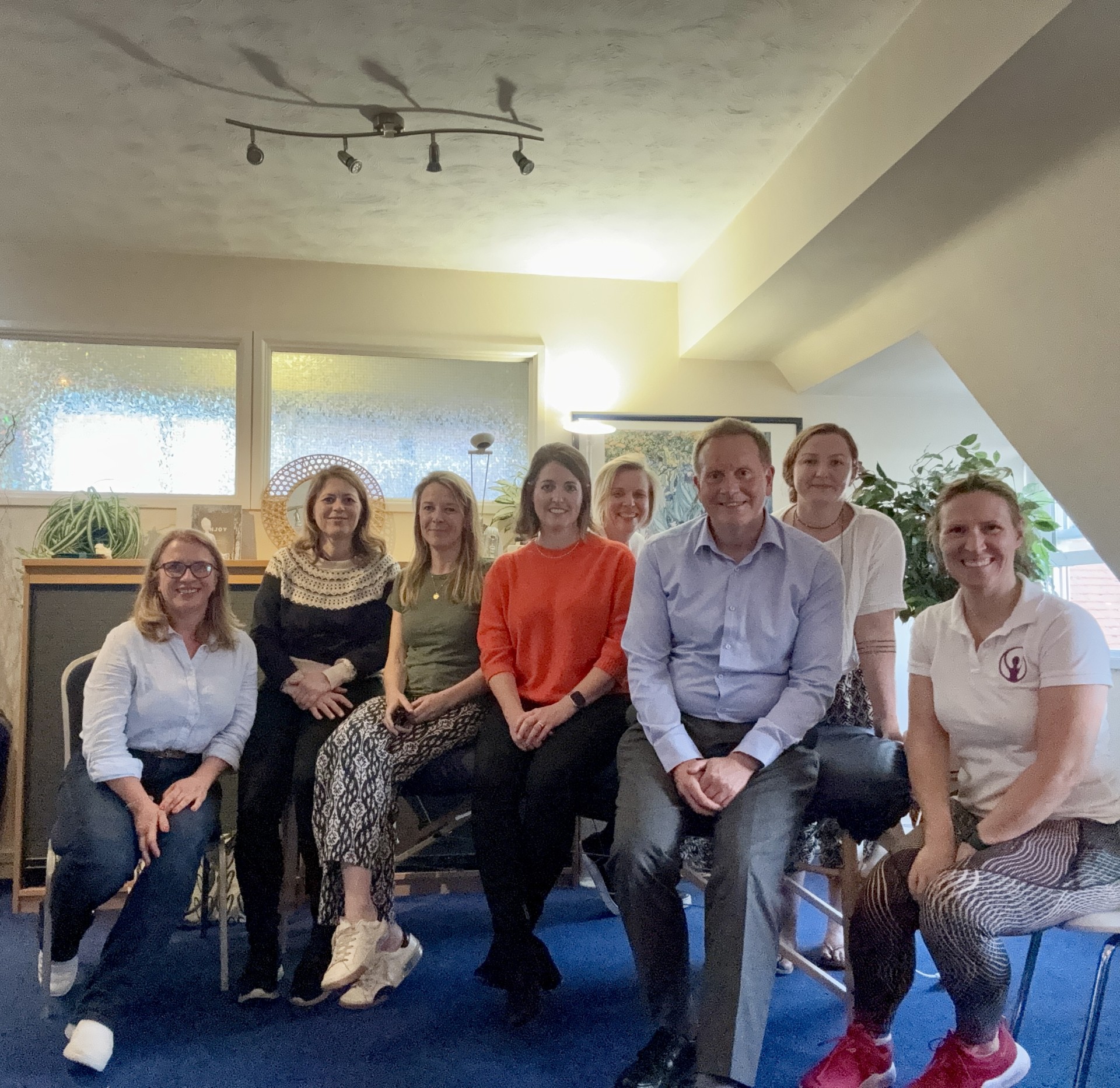
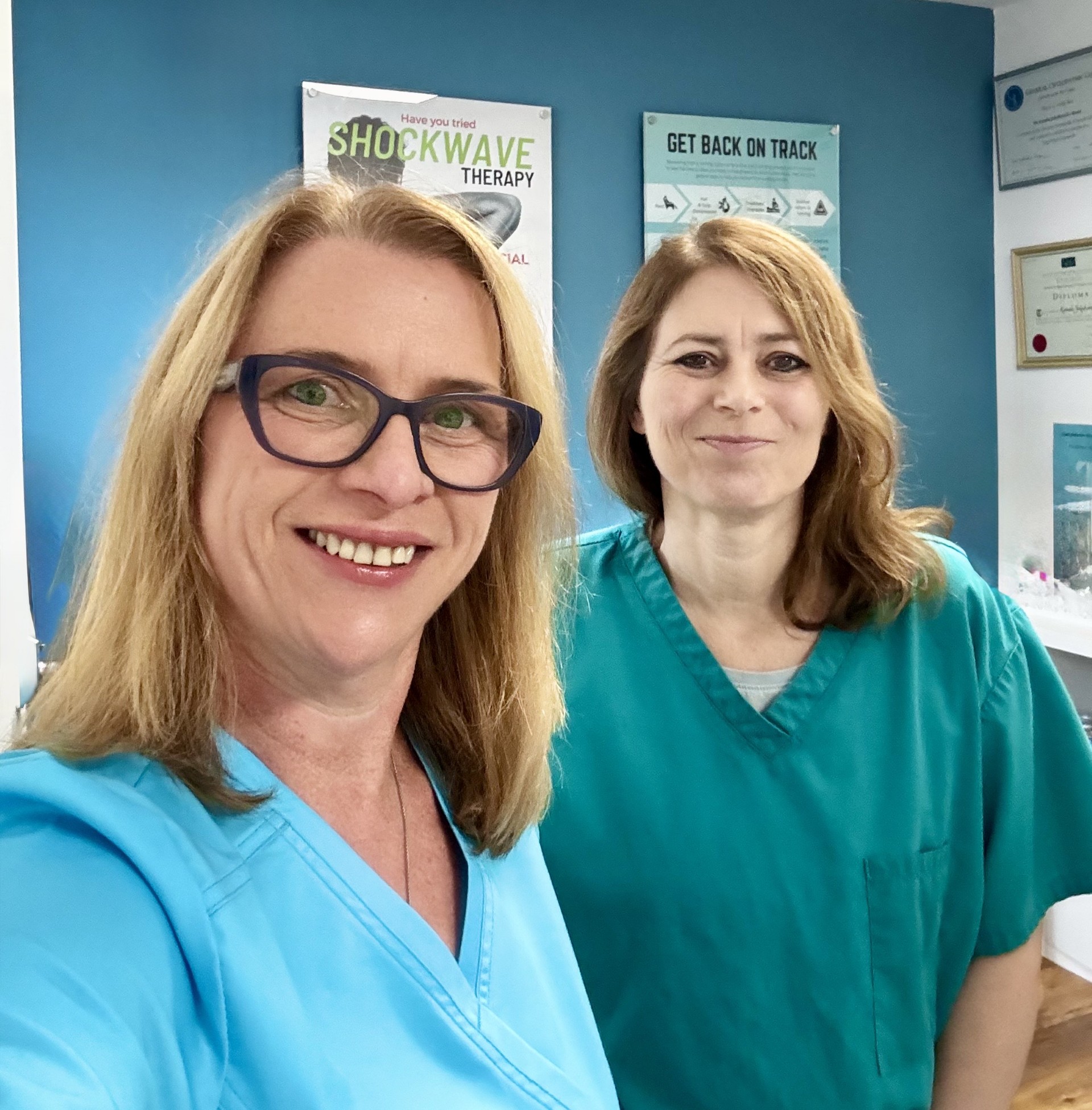
You can meet the KB Osteopaths team and learn more about the different experience and specialisms available within the clinic.
Can osteopathy help with chronic pain?
This is where osteopathy can become particularly valuable.
There is a difference between an injury that happened yesterday and pain that has gradually become part of everyday life.
Persistent pain can affect far more than your body.
It can change how you sleep.
It can affect your ability to exercise.
It can make sitting at work uncomfortable.
It can stop you playing with your children.
It can make social activities less appealing.
It can even change the way you move because you begin avoiding movements that you associate with pain.
KB Osteopaths treats both acute and chronic musculoskeletal problems and aims to understand what may be contributing to the problem rather than simply focusing on temporary symptom relief.

What quality of life improvements can osteopathic treatment provide?
This is perhaps a better question than simply asking:
“Will an osteopath get rid of my pain?”
The answer will depend on the individual and the underlying problem.
But improvements in pain and movement can potentially make a significant difference to everyday life.
For one person, success might mean being able to walk the dog without pain.
For another, it might mean sleeping through the night.
It could mean getting back to the gym, returning to running, sitting comfortably at work, picking up a child, gardening, driving or simply getting through the day without constantly thinking about their back.
Those things can sound small until pain has taken them away.
The goal of treatment should therefore be about more than a pain score.
It’s about helping people return to the activities and routines that matter to them.
Is seeing an osteopath worth the money?
This is the question many people are probably asking but don’t necessarily want to say out loud.
Private healthcare is an expense, and it is reasonable to ask whether treatment is worth paying for.
At KB Osteopaths, an initial consultation of up to 45 minutes is currently £80, with follow-up appointments of up to 30 minutes costing £65.
Whether that represents good value depends entirely on what you get from the treatment.
If someone has mild discomfort that is already improving, paying for treatment may not be necessary.
But if persistent pain is affecting your ability to work, exercise, sleep, care for your family or enjoy your normal life, the calculation can look very different.
For someone who has been avoiding activities for months because of pain, the potential value isn’t simply measured by the number of minutes spent in the treatment room.
It is measured by what you are able to do afterwards.
Why does the first assessment matter?
One of the things that distinguishes a professional osteopathic consultation from simply having someone massage the area that hurts is the assessment.
At KB Osteopaths, the initial consultation involves discussing your symptoms, general health, activities and lifestyle before examining the relevant areas of the body.
Your osteopath may assess your posture, movement and spine and carry out appropriate physical tests.
Sometimes the source of a problem isn’t where the pain is being felt.
And sometimes the right answer isn’t osteopathic treatment at all.
The clinic explains that, where appropriate, an osteopath may recommend consultation with a GP or further investigations to help establish an accurate diagnosis.
That ability to recognise when someone needs a different type of care is an important part of responsible treatment.
Is osteopathy just massage?
No.
Massage can form part of osteopathic treatment, but osteopathy involves assessment, clinical reasoning and a range of techniques.
Depending on the individual, KB Osteopaths may use techniques including:
- Joint articulation and mobilisation
- Stretching
- Massage
- Muscle Energy Techniques
- Fascial and trigger point release
- Dry needling
- Other hands-on techniques
The treatment is selected according to the individual patient rather than applying exactly the same approach to everyone.
What makes the KB Osteopaths team different?
KB Osteopaths isn’t built around a single treatment technique.
It’s a multidisciplinary clinic where different practitioners bring different areas of experience.
Kamila Barry has almost 30 years of clinical experience and founded the practice with the aim of creating a space where practitioners could work together around patient-centred care.
The wider team includes osteopathy, paediatric osteopathy, clinical massage, nutritional therapy and other specialist treatments.
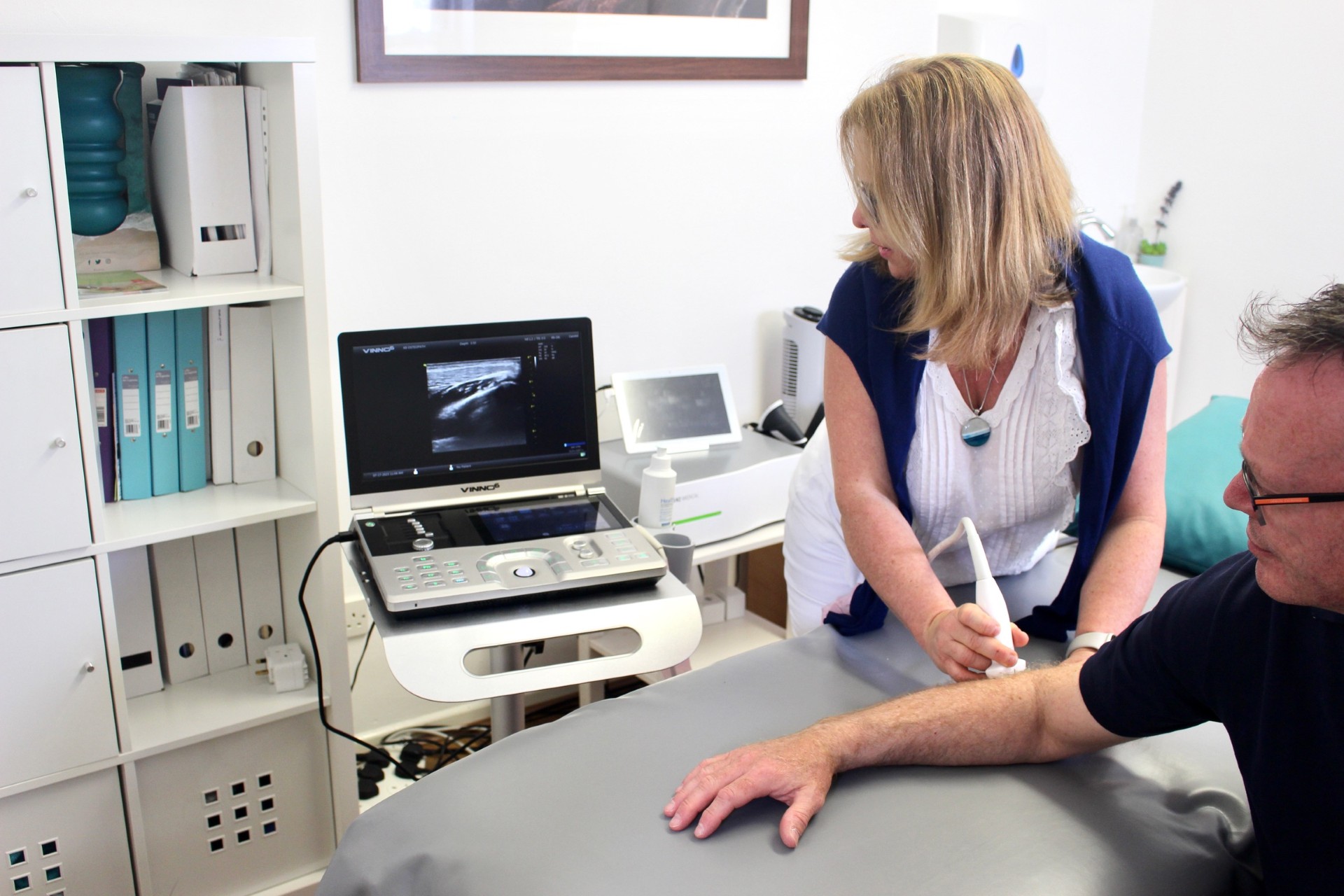
Kamila has also incorporated modern diagnostic and treatment technologies into the clinic, including diagnostic and therapeutic ultrasound, dry needling and focused shockwave therapy.
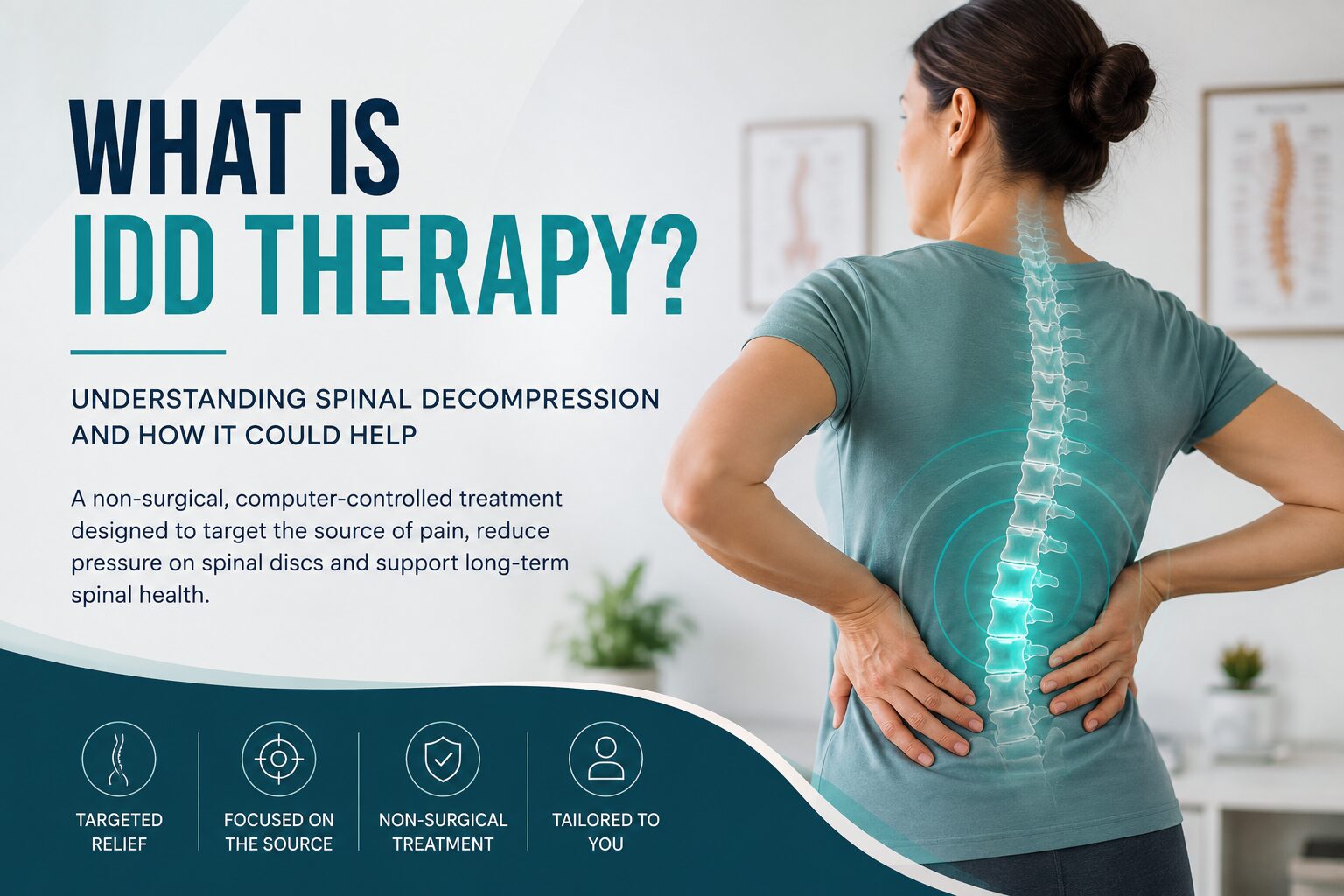
More recently, the clinic has invested in IDD Therapy spinal decompression, providing another non-surgical treatment option for selected patients with persistent spinal and nerve-related problems.
You can meet the full KB Osteopaths team and find out more about the experience behind the clinic.
When might an osteopath be worth considering?
You don’t need to wait until pain becomes unbearable.
It may be worth arranging an assessment if:
- Pain has persisted rather than improving
- Symptoms keep returning
- Pain is affecting your sleep
- You are avoiding activities you enjoy
- You have stopped exercising because of discomfort
- Your work is becoming difficult because of pain
- An old injury has never fully settled
- You are experiencing recurring stiffness or restricted movement
- You aren’t sure what is causing your symptoms
- You simply want professional advice about whether treatment could help
You also don’t necessarily need to know exactly what is wrong before making contact.
KB Osteopaths specifically invites people who aren’t sure whether osteopathic treatment is appropriate to get in touch for advice.
What if osteopathy isn’t enough?
This is another reason having access to a broader team and range of treatments can be valuable.
Not every condition responds to the same treatment.
Some patients may benefit from hands-on osteopathic treatment and exercise advice.
Others may benefit from massage, shockwave therapy, ultrasound or another specialist approach.
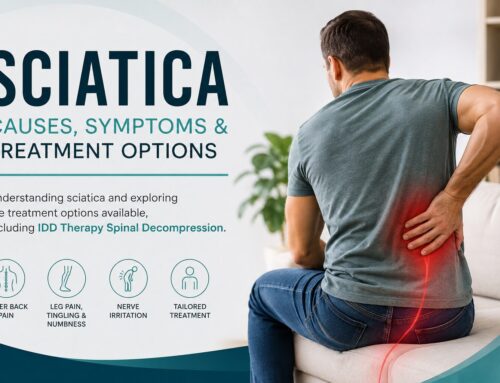
For patients with persistent spinal problems such as certain disc-related conditions, IDD Therapy spinal decompression provides another option that can be considered following assessment.
The important point is that treatment should be based on the individual rather than forcing every patient into the same pathway.
The real value of osteopathy
Osteopathy isn’t about promising that every ache and pain can be fixed.
It’s about assessment, treatment, advice and helping people understand what may be contributing to their symptoms.
Sometimes the most valuable outcome is reduced pain.
Sometimes it’s improved movement.
Sometimes it’s confidence in using your body again after an injury.
And sometimes it’s simply finding out what’s going on and being directed towards the right professional if osteopathy isn’t the appropriate answer.
That can be worth considerably more than the cost of the appointment.
Could KB Osteopaths help you?
If pain, stiffness or an injury is affecting your everyday life, you don’t necessarily have to simply accept it.
The KB Osteopaths team sees patients across a wide range of ages and with many different musculoskeletal problems.
From everyday back and neck pain through to sports injuries, pregnancy-related discomfort, persistent nerve symptoms and more complex musculoskeletal conditions, the clinic’s approach begins with understanding the individual.
Meet the KB Osteopaths team and discover the experience and specialist skills available at the clinic.
If you’re not sure whether osteopathy is appropriate for your symptoms, you can also contact the clinic for a free, impartial discussion before deciding whether to book.
Ready to find out whether osteopathy could help?
Book an initial consultation or contact KB Osteopaths to discuss your symptoms and find out what options may be available.






Leave A Comment