If you are considering shockwave therapy, one of the first questions you are likely to ask is whether it genuinely works. This is completely understandable, especially if you have already tried rest, stretching, exercise rehabilitation or other treatments without lasting improvement.
Shockwave therapy has become increasingly popular in recent years for treating persistent tendon and soft tissue pain. Research suggests it may help certain chronic musculoskeletal conditions, particularly when symptoms have lasted for several months and have not responded well to conservative treatment alone.
At KB Osteopathic & Healthcare Clinic, shockwave therapy is commonly used alongside a wider treatment and rehabilitation approach to support recovery and help patients return to normal daily activities with less pain.
What Is Shockwave Therapy?
Shockwave therapy, sometimes called extracorporeal shockwave therapy or ESWT, is a non surgical treatment that uses acoustic pressure waves to target injured or irritated tissue.
Despite the name, it does not involve electric shocks. Instead, the treatment delivers controlled sound waves into affected areas such as tendons, ligaments and soft tissues.
Shockwave therapy is commonly used for long standing tendon related pain and overuse injuries. It is often considered when symptoms have become persistent or repeatedly return despite other treatments.
How Does Shockwave Therapy Work?
Researchers are still studying the exact mechanisms behind shockwave therapy, but current evidence suggests it may help stimulate biological healing responses within damaged tissue.
The treatment is thought to:
- Increase local blood circulation
- Stimulate tissue repair processes
- Encourage healing within chronically irritated tendons
- Help reduce pain sensitivity in affected areas
In many chronic tendon conditions, healing can slow down or become disorganised over time. Shockwave therapy may help encourage a more active healing response within these tissues.
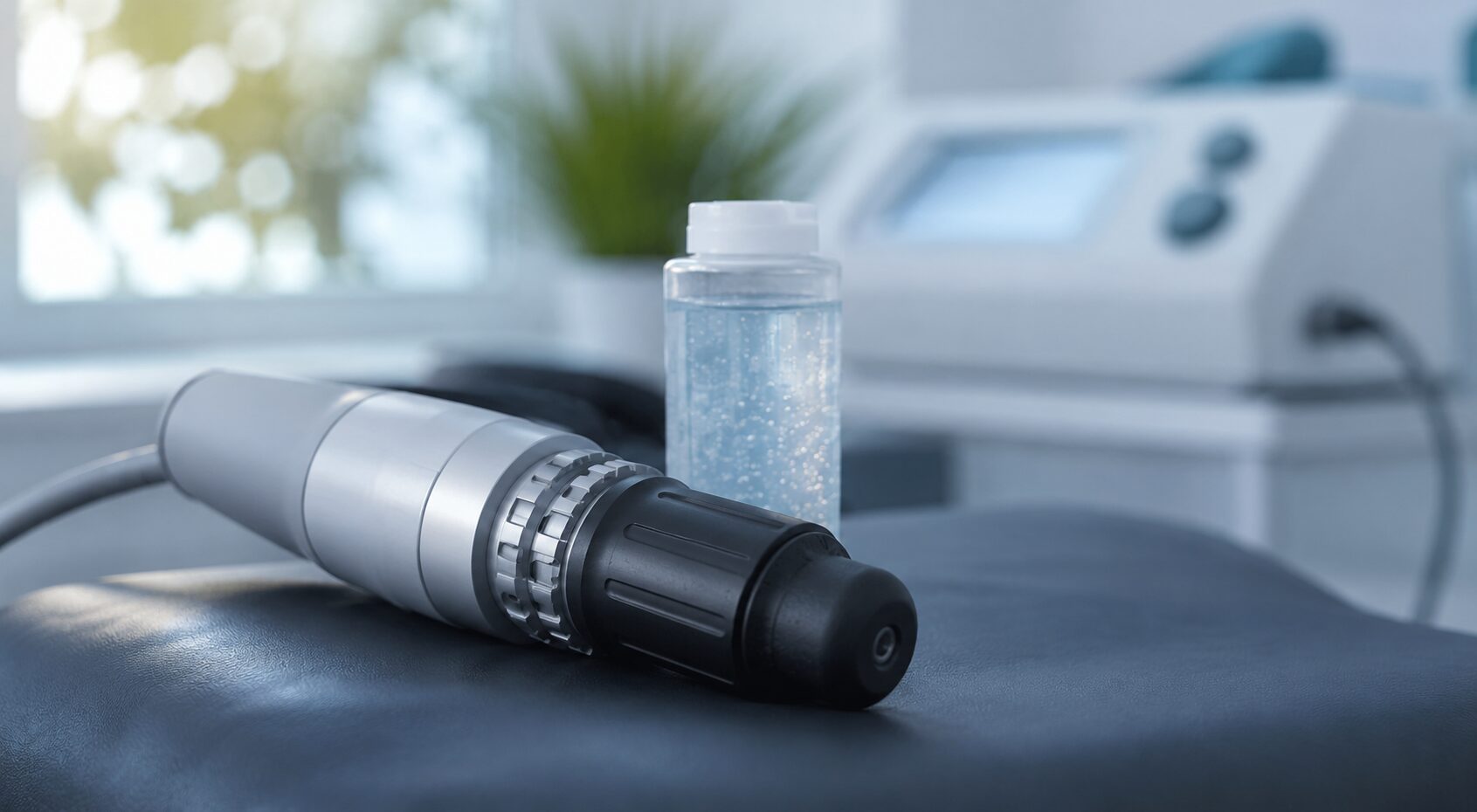
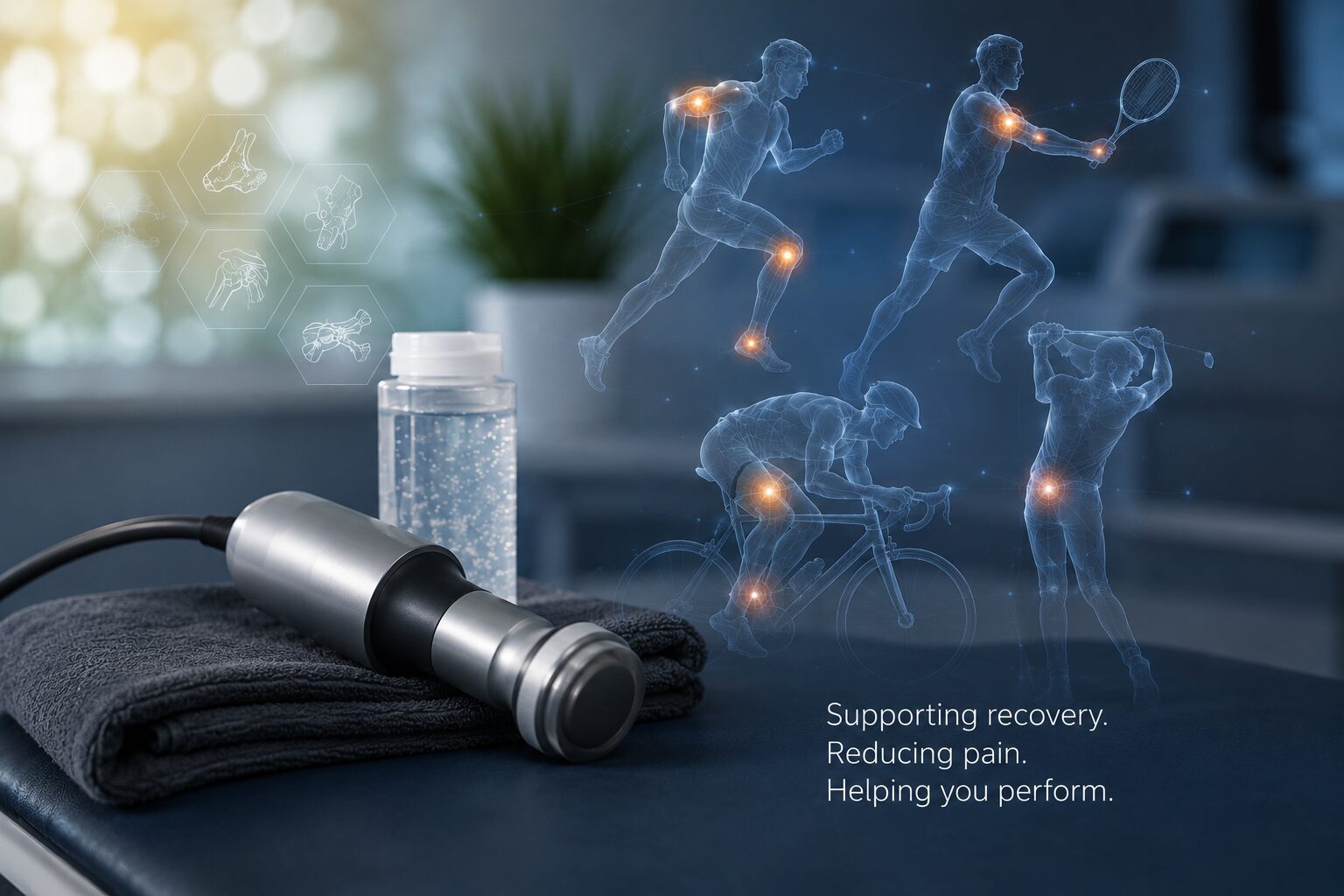
Treatment is usually delivered using a handheld device placed directly over the affected area. Sessions are relatively short and are often combined with rehabilitation exercises and activity modification where appropriate.
What Conditions Can Shockwave Therapy Help Treat?
Shockwave therapy is commonly used for a range of chronic musculoskeletal conditions, particularly tendon related pain.
Conditions that may respond to shockwave therapy include:
- Plantar fasciitis
- Achilles tendinopathy
- Tennis elbow
- Golfer’s elbow
- Rotator cuff related shoulder pain
- Patellar tendinopathy
- Calcific shoulder tendinitis
- Chronic hip tendon pain
- Shin splints
It is most commonly recommended when symptoms have lasted for several months and have not improved with rest, exercise rehabilitation or other conservative approaches alone.
Not every condition is suitable for shockwave therapy, which is why a proper assessment is important before beginning treatment.
Is Shockwave Therapy Scientifically Proven?
Research into shockwave therapy has grown significantly over the past two decades. Evidence suggests it can be beneficial for certain chronic tendon and soft tissue conditions, particularly plantar fasciitis and some forms of tendinopathy.
Clinical guidelines in some areas now include shockwave therapy as a treatment option for persistent tendon pain when symptoms have not improved with other conservative care.
However, results can vary depending on:
- The specific condition being treated
- How long symptoms have been present
- The severity of tissue irritation
- Activity levels and rehabilitation compliance
- Overall health and recovery factors
Shockwave therapy should not be viewed as a guaranteed or instant fix. Instead, it is often used as part of a broader treatment plan designed to support long term recovery.
When Does Shockwave Therapy Work Best?
Shockwave therapy is generally considered most effective for chronic conditions rather than recent injuries.
Patients who may benefit most often include those who:
- Have experienced symptoms for several months
- Have persistent tendon related pain
- Have not responded fully to stretching or exercise programmes
- Continue to experience recurring flare ups
- Want to explore non surgical treatment options
It is often used alongside:
- Rehabilitation exercises
- Strengthening programmes
- Activity modification
- Osteopathic treatment
- Manual therapy approaches where appropriate
Addressing the underlying causes of pain remains important, particularly in overuse injuries and tendon conditions.
How Many Sessions Are Usually Needed?
The number of shockwave therapy sessions varies depending on the condition and individual response to treatment.
Many treatment plans involve a short course of sessions over several weeks. Some patients notice improvement relatively quickly, while others experience more gradual changes as healing progresses over time.
Chronic tendon conditions can take time to improve, particularly if symptoms have been present for many months or years.
During an assessment, factors such as symptom duration, tissue irritation and activity levels can help guide expectations for treatment.
Does Shockwave Therapy Hurt?
Shockwave therapy can feel uncomfortable at times, especially when applied to sensitive or irritated tissue.
Most patients describe the sensation as manageable, and treatment intensity can usually be adjusted where needed. Discomfort often varies depending on the condition being treated and the sensitivity of the area involved.
Sessions are relatively short, and many patients feel the temporary discomfort is worthwhile if it helps support longer term recovery.
It is normal for mild soreness to occur after treatment, although this usually settles within a short period.
How Long Does Shockwave Therapy Take To Work?
Recovery timelines can vary significantly between individuals and conditions.
Some patients begin noticing changes within a few weeks, while longer standing conditions may take several months to improve fully. Tendon healing is often gradual, particularly in chronic cases where tissue irritation has been present for a long time.
Shockwave therapy is generally not intended as an instant pain relief treatment. Instead, it aims to support tissue healing and improve recovery over time.
Consistency with rehabilitation exercises and activity advice can also play an important role in outcomes.
Can Shockwave Therapy Prevent Surgery?
In some cases, shockwave therapy may help improve symptoms enough to reduce the need for more invasive treatment options.
This does not mean surgery is never required, particularly in severe or complex cases, but many patients prefer to explore conservative approaches before considering surgical intervention.
The suitability of shockwave therapy depends on the individual condition, symptom severity and overall clinical picture.
A proper assessment is important to determine whether shockwave therapy is likely to be appropriate and beneficial.
Is Shockwave Therapy Better Than Steroid Injections?
Shockwave therapy and steroid injections are very different treatment approaches.
Steroid injections are typically used to help reduce inflammation and pain in the short term. Shockwave therapy is thought to work by stimulating healing responses within tissue over time.
The most appropriate option depends on:
- The condition involved
- Symptom duration
- Tissue health
- Activity levels
- Previous treatments
- Individual goals
For some chronic tendon conditions, repeated steroid injections may not always be recommended due to potential effects on tendon tissue. Treatment decisions should always be based on individual assessment and clinical advice.
Who Might Not Be Suitable For Shockwave Therapy?
Shockwave therapy is not appropriate for everyone.
It may not be recommended in certain situations, including:
- Pregnancy
- Certain circulatory or bleeding disorders
- Active infections
- Some nerve related conditions
- Areas with acute fractures
- Certain medication considerations
This is one reason why a proper consultation and assessment are important before treatment begins.
Shockwave therapy can be an effective treatment option for certain chronic tendon and soft tissue conditions, particularly when symptoms have persisted despite other conservative approaches.
While it is not a guaranteed cure or instant fix, research suggests it may help support healing and recovery in appropriate cases when combined with a wider rehabilitation approach.
If you are struggling with persistent tendon pain or recurring soft tissue injuries, a professional assessment can help determine whether shockwave therapy may be suitable for your condition.



Leave A Comment