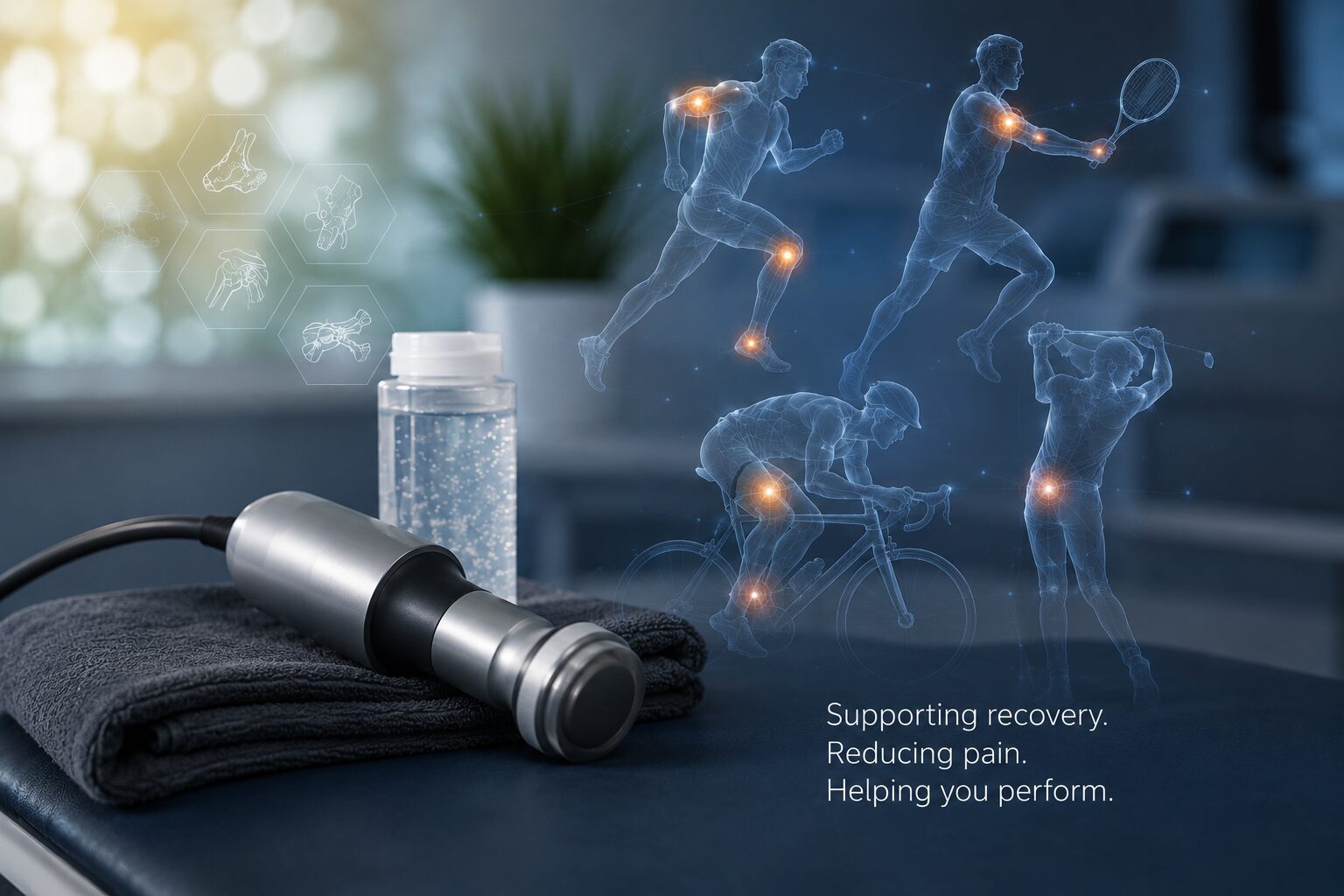
For many athletes and active individuals, aches and pains are often seen as part of training. Whether it is a runner managing Achilles discomfort, a tennis player struggling with elbow pain or a gym goer dealing with persistent shoulder tightness, it can be tempting to push through symptoms and hope they settle with time.
In some cases, they do. However, when pain becomes persistent or repeatedly returns, it may suggest the tissue is no longer recovering effectively on its own.
Shockwave therapy is increasingly used within musculoskeletal care to help support recovery in chronic tendon and soft tissue conditions. It is commonly used for injuries linked to overuse, repetitive strain and long term tendon irritation, particularly when symptoms have not improved with rest, rehabilitation exercises or other conservative treatments alone.
At KB Osteopathic & Healthcare Clinic, shockwave therapy may be recommended as part of a broader treatment and recovery plan designed to help active individuals manage pain, improve function and return to activity safely.
Why Active People Often Train Through Pain
Many athletes and gym goers are highly motivated individuals who are used to training regularly and maintaining consistent routines. Because of this, it is common for people to ignore early warning signs of injury.
Minor discomfort may initially feel manageable, especially if symptoms improve during movement or after warming up. However, continuing to train through pain can sometimes place ongoing strain on already irritated tissues.
Over time, this may contribute to:
- Persistent tendon irritation
- Reduced tissue recovery
- Altered movement patterns
- Ongoing inflammation or degeneration within tendon tissue
- Repeated flare ups during activity
This is particularly common in sports and activities involving repetitive loading, explosive movements or high training volume.
Examples may include:
- Running
- Weight training
- CrossFit
- Cycling
- Tennis
- Golf
- Football
- Hyrox training
- Racquet sports
In many cases, symptoms develop gradually rather than appearing suddenly.
Normal Muscle Soreness Versus Persistent Injury
After exercise, it is completely normal to experience temporary muscle soreness. Delayed onset muscle soreness, often called DOMS, usually develops after unfamiliar or intense activity and tends to settle naturally within several days.
Persistent pain is different.
When symptoms continue for weeks or months, repeatedly return or interfere with normal activity, this may indicate an underlying tendon or soft tissue problem rather than simple post exercise soreness.
Signs that symptoms may require further assessment can include:
- Pain that repeatedly returns during training
- Morning stiffness
- Pain localised around a tendon
- Symptoms that worsen with repetitive loading
- Reduced strength or performance
- Pain that does not settle with rest alone
- Ongoing discomfort affecting daily activities
Chronic tendon pain can become particularly frustrating because symptoms often fluctuate. Some days may feel manageable, while others flare unexpectedly after training or activity.
Why Tendon Pain Can Become Chronic
Tendons help transfer force between muscles and bones. During exercise and sport, they are repeatedly loaded and stressed.
Healthy tendons are capable of adapting to this stress when recovery is appropriate. However, problems can develop when the balance between loading and recovery becomes disrupted.
Factors that may contribute to chronic tendon irritation can include:
- Sudden increases in training intensity
- Poor recovery between sessions
- Repetitive strain
- Reduced strength or mobility
- Biomechanical issues
- Returning to sport too quickly after injury
- Training through ongoing pain
Over time, the structure of the tendon may begin to change. Rather than remaining in a healthy organised state, the tissue can become more sensitive and less tolerant to load.
This is one reason tendon related pain can become persistent and difficult to settle without targeted treatment and rehabilitation.
How Shockwave Therapy May Help
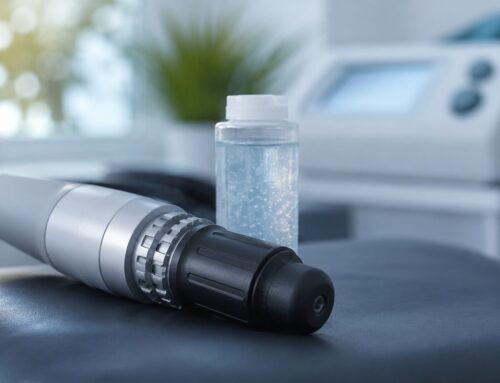
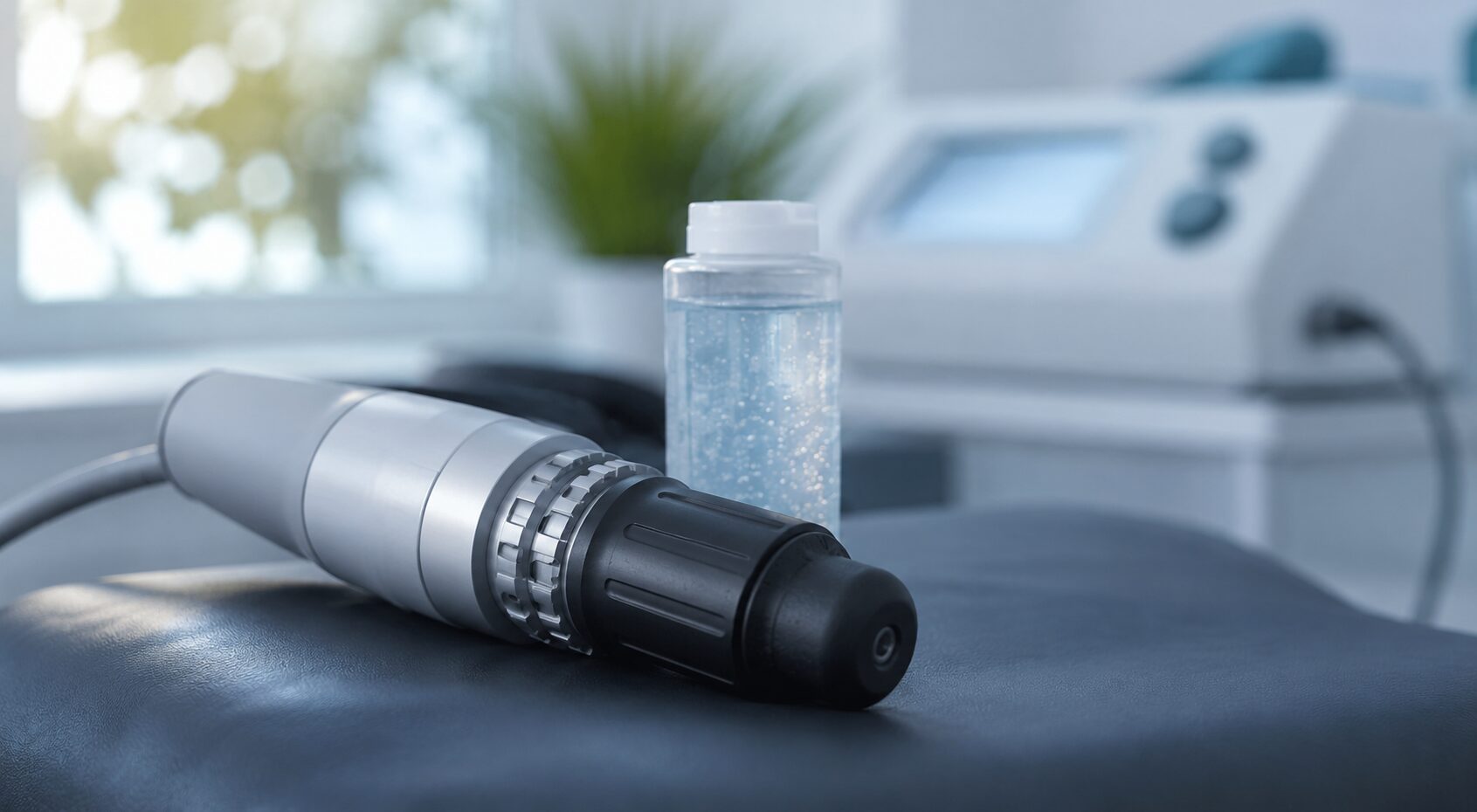
Shockwave therapy uses acoustic pressure waves delivered into affected tissue through a handheld device.
Although researchers are still studying the exact biological mechanisms involved, evidence suggests shockwave therapy may help stimulate healing responses within chronically irritated tissue.
Current research suggests shockwave therapy may:
- Support local blood circulation
- Stimulate tissue repair processes
- Help reduce pain sensitivity
- Encourage healing activity within chronic tendon tissue
Shockwave therapy is most commonly used for long standing tendon related pain rather than acute muscle injuries.
Treatment sessions are relatively short and are usually combined with rehabilitation exercises and advice around training load and recovery.
At KB Osteopathic & Healthcare Clinic, shockwave therapy is typically considered as part of a wider management approach rather than as a standalone solution.
Common Sports and Gym Related Conditions Shockwave Therapy May Help Treat
Shockwave therapy is commonly used for a range of chronic tendon and soft tissue conditions affecting active individuals.
Achilles Tendinopathy
Achilles tendon pain is common in runners, footballers and people involved in explosive lower body training.
Symptoms may include:
- Pain or stiffness in the tendon
- Morning tightness
- Pain during running or jumping
- Tenderness around the heel
Persistent Achilles symptoms can become difficult to manage if training continues without addressing underlying tendon loading issues.
Shockwave therapy may be used alongside strengthening exercises and rehabilitation programmes to help support recovery.
Plantar Fasciitis
Heel pain is particularly common in runners and active individuals who spend long periods on their feet.
Plantar fasciitis often causes:
- Pain under the heel
- Symptoms worse in the morning
- Pain after activity or prolonged standing
Research suggests shockwave therapy may be beneficial in some chronic cases where symptoms have not improved with stretching, footwear changes or rehabilitation exercises alone.
Tennis Elbow and Golfer’s Elbow
Repetitive gripping and loading activities can place strain on the tendons around the elbow.
This is commonly seen in:
- Racquet sports
- Golf
- Weight training
- Manual occupations
Symptoms may include:
- Pain around the elbow
- Reduced grip strength
- Pain during lifting or repetitive arm movements
Shockwave therapy may help support recovery in chronic tendon related elbow pain.
Patellar Tendinopathy
Sometimes referred to as jumper’s knee, patellar tendon pain commonly affects athletes involved in running, jumping and explosive movements.
Symptoms may include:
- Pain below the kneecap
- Pain during squats or jumping
- Tendon tenderness
- Stiffness after exercise
Managing tendon loading appropriately is often an important part of treatment.
Rotator Cuff Related Shoulder Pain
Shoulder pain is common in gym goers and overhead athletes.
Exercises involving repeated pressing, lifting or overhead movement may aggravate irritated shoulder tendons.
Symptoms may include:
- Pain lifting the arm
- Shoulder weakness
- Pain during pressing movements
- Discomfort when sleeping on the affected side
Shockwave therapy may sometimes be used alongside mobility work and strengthening exercises where chronic tendon irritation is involved.
Is Shockwave Therapy Only For Elite Athletes?
No. Although shockwave therapy is widely used within professional sport and rehabilitation settings, it is not limited to elite athletes.
Many people who benefit from treatment are simply active individuals who want to:
- Continue exercising comfortably
- Return to sport safely
- Manage persistent tendon pain
- Improve day to day movement
- Reduce recurring flare ups
This may include:
- Recreational runners
- Gym members
- Golfers
- Cyclists
- Tennis players
- Fitness enthusiasts
- People returning to exercise after injury
The goal is not simply to return someone to elite level sport, but to help improve function and quality of life where ongoing pain has become limiting.
Can Shockwave Therapy Speed Up Recovery?
Recovery timelines vary depending on the condition, symptom duration and overall rehabilitation approach.
Shockwave therapy should not be viewed as an instant fix. Chronic tendon problems usually develop over time and often require gradual rehabilitation and load management.
However, some patients do report improvement in symptoms over the course of treatment, particularly when shockwave therapy is combined with:
- Appropriate strengthening exercises
- Gradual return to activity
- Recovery management
- Mobility work where needed
- Activity modification
The aim is generally to support tissue recovery and improve tolerance to movement and loading over time.
When Should Athletes Seek Treatment?
Many active individuals wait until symptoms become severe before seeking professional advice. Early assessment can often help prevent persistent issues becoming more difficult to manage.
It may be worth seeking assessment if:
- Pain has lasted several weeks or longer
- Symptoms repeatedly return during training
- You are modifying activity due to pain
- Symptoms affect performance or recovery
- Pain is interfering with normal daily activity
- Rest alone has not resolved the issue
A proper assessment is important to help determine the cause of symptoms and whether shockwave therapy may be appropriate.
Shockwave Therapy as Part of a Wider Recovery Plan
Shockwave therapy is rarely the only part of treatment.
For many chronic tendon conditions, successful management may also involve:
- Strengthening exercises
- Load management
- Mobility work
- Recovery planning
- Biomechanical assessment
- Gradual return to activity
Understanding why symptoms developed in the first place remains important in helping reduce the risk of recurring problems.
At KB Osteopathic & Healthcare Clinic, treatment approaches are tailored to the individual, their activity levels and the nature of their condition.
Persistent pain is not always something active people simply need to accept as part of training.
While occasional soreness after exercise is normal, recurring tendon pain and ongoing soft tissue irritation may indicate that the body is struggling to recover effectively.
Shockwave therapy may help support recovery in certain chronic tendon and musculoskeletal conditions, particularly when symptoms have not improved with conservative treatment approaches alone.
Combined with proper rehabilitation and recovery planning, it may help active individuals return to training, sport and daily activity with greater comfort and confidence.



Leave A Comment