Call us now for free and impartial advice on Arthritic Pain Treatment:
The Aims of Shockwave Therapy Treatment:
Reduce chronic tendon and soft tissue pain
Support the body’s natural healing response
Improve mobility and day-to-day movement
Help recovery from persistent or recurring injuries
Reduce reliance on invasive treatments or injections
Our Hours
Monday: 8am – 8pm
Tuesday: 8am – 8pm
Wednesday: 8am – 8pm
Thursday: 8am – 8pm
Friday 8am – 8pm
Saturday: Closed
Sunday: Closed
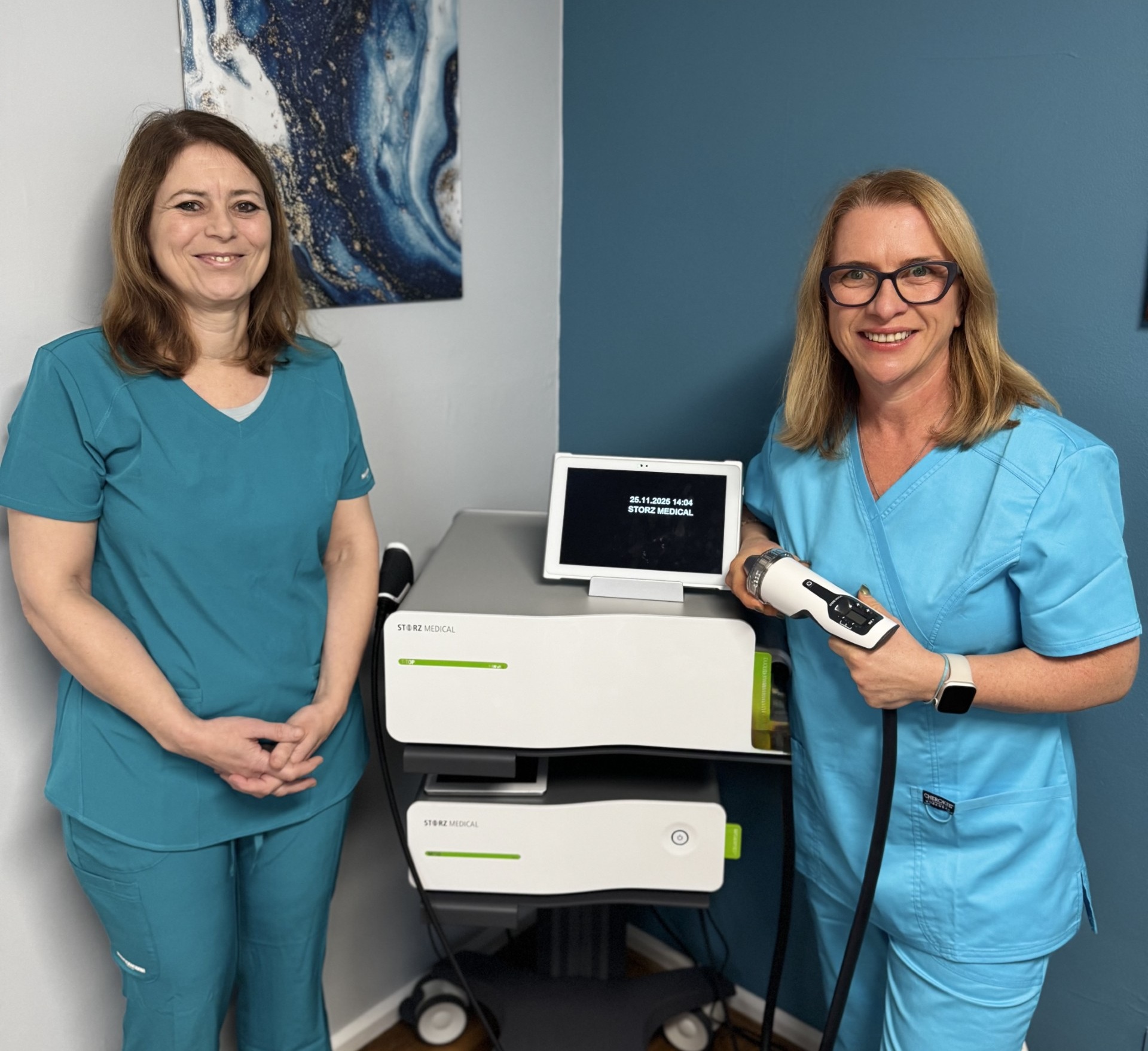
Shockwave therapy is commonly used to treat chronic tendon pain, soft tissue injuries and musculoskeletal conditions that have not responded well to rest, rehabilitation exercises or other conservative treatments. At KB Osteopathic & Healthcare Clinic, shockwave therapy may be recommended for persistent pain and injuries affecting tendons, ligaments and surrounding soft tissues.
Shockwave therapy works by delivering targeted acoustic waves into damaged tissue, helping to stimulate blood flow, support healing responses and encourage long-term recovery. It is frequently used for conditions where pain has become persistent or recurring over time.
Plantar Fasciitis
Plantar fasciitis is one of the most common causes of heel pain, often causing discomfort with the first few steps in the morning or after periods of rest. Chronic plantar fasciitis can become difficult to resolve when the tissue under the foot becomes irritated over a prolonged period.
Shockwave therapy may help stimulate healing within the plantar fascia and is often considered when stretching, orthotics or rest alone have not provided sufficient improvement.
Common symptoms may include:
- Heel pain when walking
- Pain worse in the morning
- Tenderness underneath the foot
- Pain after prolonged standing or activity
Achilles Tendinopathy
Achilles tendinopathy affects the tendon connecting the calf muscles to the heel and is common in runners, active individuals and people who spend long periods on their feet.
Persistent Achilles pain can become difficult to settle without targeted treatment. Shockwave therapy may help encourage tissue repair and improve long-term tendon recovery when symptoms have become chronic.
Symptoms may include:
- Pain or stiffness in the Achilles tendon
- Discomfort during walking or running
- Morning stiffness
- Swelling or tenderness around the tendon
Tennis Elbow
Tennis elbow, also known as lateral epicondylitis, causes pain around the outside of the elbow due to irritation of the forearm tendons. It is commonly associated with repetitive gripping, lifting or manual work.
Shockwave therapy may be recommended for long-standing tendon irritation that has not improved with rest or rehabilitation exercises alone.
Common symptoms include:
- Pain on the outer elbow
- Weak grip strength
- Pain when lifting objects
- Discomfort during repetitive arm movements
Golfer’s Elbow
Golfer’s elbow affects the tendons on the inside of the elbow and can develop from repetitive strain, lifting or sporting activities.
Shockwave therapy may help reduce persistent tendon pain and support recovery in chronic cases where symptoms continue to return.
Symptoms may include:
- Pain on the inside of the elbow
- Forearm tightness
- Weakness when gripping
- Pain during wrist or arm movements
Rotator Cuff Shoulder Pain
Rotator cuff injuries and tendon irritation can cause ongoing shoulder pain, weakness and reduced movement. These issues are common in both active individuals and people with repetitive overhead movements.
Shockwave therapy may help improve healing responses within irritated shoulder tendons and may be considered alongside rehabilitation exercises and osteopathic treatment.
Symptoms may include:
- Pain lifting the arm
- Shoulder weakness
- Pain when sleeping on the affected side
- Restricted shoulder movement
Patellar Tendinopathy (Jumper’s Knee)
Patellar tendinopathy affects the tendon below the kneecap and is commonly associated with running, jumping and sporting activities.
When tendon pain becomes chronic, shockwave therapy may help stimulate recovery and reduce ongoing irritation within the tendon.
Symptoms may include:
- Pain below the kneecap
- Pain during exercise
- Tenderness around the tendon
- Stiffness after activity
Hip Tendon Pain
Tendon irritation around the hip can cause pain when walking, exercising or sleeping on one side. Symptoms may develop gradually and become persistent over time.
Shockwave therapy may be useful in supporting recovery for chronic tendon irritation affecting the hip region.
Common symptoms may include:
- Pain on the outside of the hip
- Tenderness when lying on the side
- Pain during walking
- Stiffness or weakness around the hip
Calcific Shoulder Tendinitis
Calcific tendinitis occurs when calcium deposits develop within the shoulder tendons, often causing significant pain and restricted movement.
Shockwave therapy is commonly used to help break down calcific deposits and support recovery within the affected tendon.
Symptoms may include:
- Sharp shoulder pain
- Pain lifting the arm
- Night pain
- Reduced shoulder mobility
Shin Splints
Shin splints can develop from repetitive impact, overtraining or changes in activity levels. Persistent lower leg pain may become difficult to settle without addressing the underlying tissue irritation.
Shockwave therapy may help reduce chronic irritation and support healing within affected tissues.
Symptoms may include:
- Pain along the shin bone
- Tenderness in the lower leg
- Pain during running or exercise
- Tightness after activity
Chronic Muscle and Tendon Pain
Shockwave therapy may also be used for a range of persistent muscular and tendon-related conditions where pain and tissue irritation have become ongoing.
This may include repetitive strain injuries, chronic soft tissue tightness and long-term overuse injuries that have not responded fully to other conservative treatments.
Send us a message for more information using the form below:
Shockwave therapy is commonly used for chronic tendon pain, plantar fasciitis, Achilles tendinopathy, tennis elbow, shoulder pain and other persistent musculoskeletal conditions. Shockwave therapy is often considered for chronic conditions where symptoms have persisted for several months and have not responded well to rest, exercise rehabilitation or other treatments. The number of sessions varies depending on the condition and severity of symptoms, although many treatment plans involve a short course of sessions over several weeks. Some discomfort can occur during treatment, particularly around irritated tissues, although intensity can usually be adjusted to remain manageable. Some patients notice improvement within a few weeks, while longer-standing conditions may take more time to respond as tissue healing progresses. In some cases, shockwave therapy may help improve symptoms enough to avoid more invasive treatment options, although suitability depends on the individual condition and severity. Shockwave therapy may be worth considering if pain has become persistent, repeatedly returns or has not improved with conservative treatment approaches alone.Conditions Treat with Shockwave Therapy FAQ